Geneva, Switzerland 📍
In recent decades, the world has witnessed rapid advancements in the uses of nuclear energy and radiological technologies across multiple fields, most notably energy generation as well as medical and industrial applications. This progress has been accompanied by growing attention to strengthening nuclear security concepts and preventing the misuse or exploitation of such materials in criminal or terrorist activities.
Within this context, nuclear and radiological forensics has emerged as a modern discipline within the security framework, given its pivotal role in identifying the sources of radioactive materials, analyzing their traces, and supporting related criminal investigations based on rigorous scientific principles.
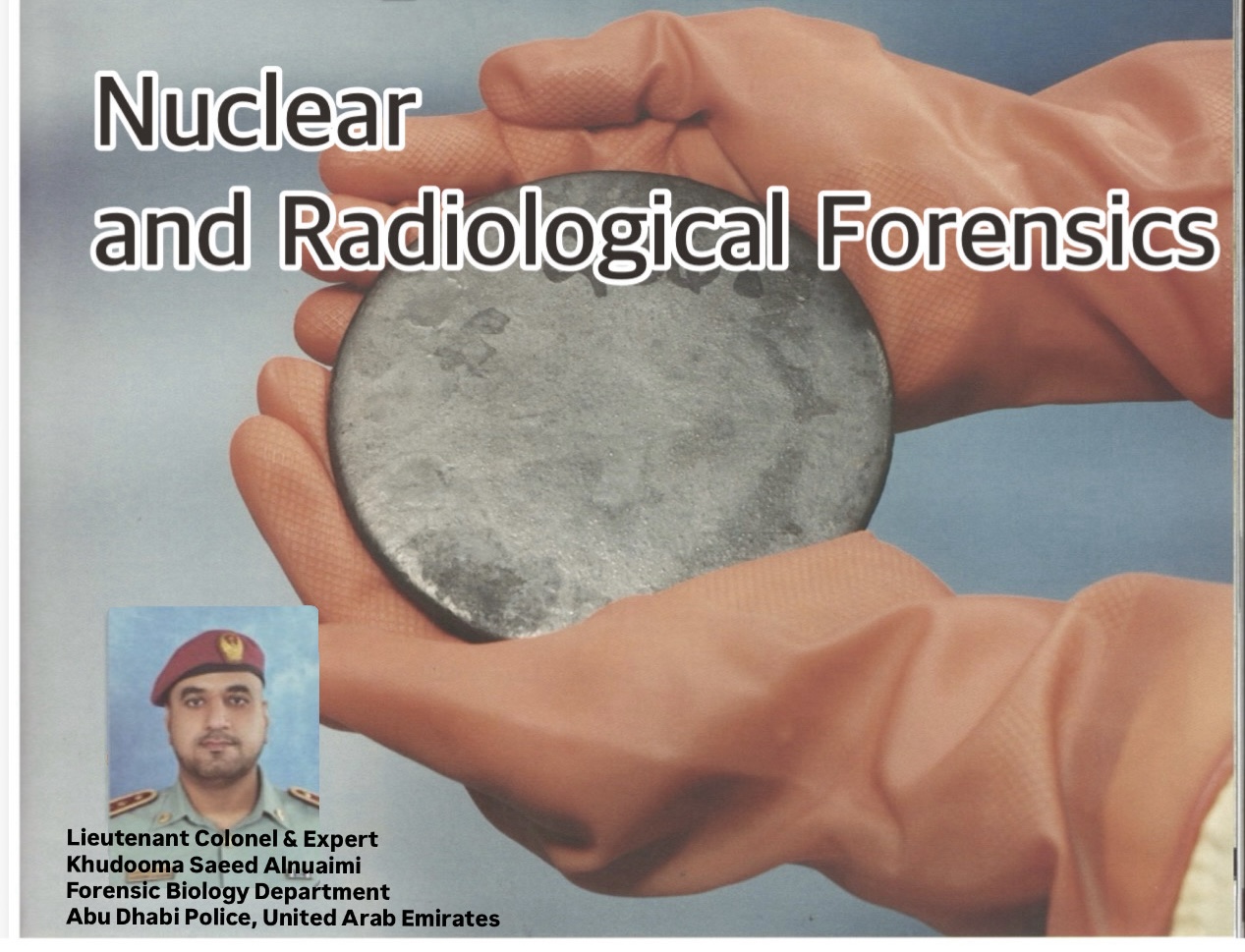
This perspective is informed by the scientific and research contributions of Lieutenant Colonel and Expert Khudooma Saeed Alnuaimi, Forensic Biology Department, Abu Dhabi Police General Headquarters, United Arab Emirates, who highlights the importance of this vital specialty and its role in supporting nuclear security systems and enhancing the capacity to confront contemporary threats associated with radioactive and nuclear materials.
{It is noteworthy that the scientific research conducted by Lieutenant Colonel & Expert Khudooma Saeed Alnuaimi, affiliated with the Forensic Biology Department, Abu Dhabi Police, United Arab Emirates, has been published in the Forensic Evidence Journal, an official publication of the Abu Dhabi Police.}
The significance of this field is further underscored by contemporary security challenges that extend beyond traditional crimes to include transnational threats such as the smuggling of radioactive materials, their use in so-called dirty bombs, or even their employment in political assassinations. Hence, there is a clear need to develop technical and forensic capabilities, strengthen international cooperation, and raise community awareness regarding radiation risks and methods of protection.
Through this article, we present a systematic review of the fundamental concepts of nuclear and radiological security, the operational mechanisms of forensic evidence at incident scenes related to such materials, and selected international case studies that demonstrate the growing importance of this field in protecting societies and preserving regional and global security.
Importance of the Specialization in Nuclear and Radiological Forensics
Nuclear and radiological forensic science is among the emerging disciplines that has begun to establish its position within security sciences. This is due to the diversity of nuclear and radiological energy applications and the necessity of conducting scientific forensic investigations into incidents involving these materials, whether arising from accidental, criminal, or terrorist causes.
This specialization is also a requirement for achieving nuclear security, which has received considerable attention in the United Arab Emirates for both domestic needs, given the presence of nuclear and radiological applications such as energy generation and medical uses, and international obligations aimed at safeguarding global security.
This article therefore seeks to clarify the importance of nuclear and radiological forensics through interconnected general information on nuclear security, forensic science, crime scenes, nuclear terrorism, dirty bombs, political assassinations using nuclear materials, and selected related cases from different regions of the world.
1. Definition of Nuclear Security and Radiation
Nuclear Security:
According to Federal Law No. (6) of 2009 concerning the peaceful uses of nuclear energy, nuclear security encompasses the theft of nuclear or other radioactive materials or related facilities, their unauthorized possession, storage, access, or illicit transport, as well as other unlawful acts involving such materials or facilities, in addition to the detection and prevention of these acts.
Radiation:
Radiation is generally defined as energy in the form of electromagnetic waves or particles, which may be ionizing (capable of altering atomic structure) or non-ionizing. Examples of ionizing radiation include alpha particles, beta particles, gamma rays, X-rays, and neutrons.
Chronic exposure to radiation has severe adverse effects such as cancer and may lead to illness or death, while acute exposure may cause symptoms including nausea, vomiting, headache, diarrhea, skin burns, loss of appetite, fatigue, and fever.
2. State Interest in Nuclear Security
The United Arab Emirates has given significant attention to nuclear security both domestically and internationally. In 2013, His Highness Sheikh Mohammed bin Zayed Al Nahyan, then Crown Prince of Abu Dhabi and Deputy Supreme Commander of the Armed Forces, announced a UAE initiative to donate one million US dollars to expand and upgrade the International Atomic Energy Agency (IAEA) laboratories. The objective was to enhance the identification of the origin of seized nuclear materials and detect undeclared nuclear facilities, among other missions.
This clearly demonstrates the contribution of nuclear and radiological forensic science to achieving nuclear security objectives, particularly through laboratory examinations used to determine the nature and origin of radioactive materials.
In 2016, the UAE participated in the Fourth Nuclear Security Summit in Washington, chaired by His Highness Sheikh Abdullah bin Zayed Al Nahyan, Minister of Foreign Affairs and International Cooperation. In this context, the U.S. President stated that the world had made progress in preventing organizations such as Al-Qaeda and ISIS from acquiring nuclear weapons. He also noted that thousands of tons of fissile materials remain stored under sometimes insufficient security measures, and that a quantity the size of an apple could cause devastation capable of altering the world’s landscape (Al-Ittihad, 2 April 2016).
3. Nuclear and Radiological Forensic Science
Nuclear and radiological forensic science can be defined as the study of scientific methods used to determine the nature of nuclear or radiological sources in terms of chemical, physical, isotopic, and elemental composition, to identify their origin, and to determine the individuals who handled or caused their use. The results of such analyses are subsequently utilized by legal and judicial authorities.
Incidents in which nuclear and radiological forensic science may contribute to investigations include:
1. Terrorist attacks involving radioactive materials.
2. Trafficking and theft of radioactive and nuclear materials.
3. Misuse or negligence involving radioactive and nuclear materials.
4. Nuclear accidents.
5. Theft of nuclear secrets.
4. Participating Forensic Disciplines
Several forensic specialties may contribute to the investigation of cases involving nuclear and radiological materials. In general, these include:
1. Biological examinations and DNA profiling:
Collection of biological samples such as epithelial cells, blood, and hair from nuclear incident scenes to identify individuals associated with the event by comparing these samples with reference specimens or through searches in DNA databases.
2. Fingerprint analysis:
Recovery of latent fingerprints from incident scenes and identification of their owners using fingerprint databases.
3. Forensic chemistry:
Identification and characterization of unknown substances through chemical and microscopic analysis.
4. Questioned document examination and forgery detection:
Study of signatures and handwriting associated with nuclear incidents, and examination of forged documents and identification cards.
5. Audio visual forensics:
Analysis and comparison of images and voice recordings of persons connected to nuclear and radiological incidents.
6. Toolmark and firearms examination:
Study of mechanical traces such as forced entry marks on doors and locks, examination of vehicles in collision cases, and identification of firearms through ballistic fingerprinting.
7. Toxicology and drug analysis:
Examination of biological specimens such as blood and urine to detect the presence of toxic or narcotic substances.
8. Fire debris and arson investigation:
Analysis of fire-related evidence, when present at incident scenes, to determine the causes of fire and the substances involved.
9. Forensic medicine:
Contribution to identifying pathological and anatomical findings associated with deaths resulting from nuclear or radioactive exposure.
5. Examples of Forensic Laboratories with Nuclear and Radiological Sections
A. United States of America:
The Livermore Forensic Science Center, located in California, is among the few laboratories in the United States capable of handling radioactive materials. Experts at the center assist law enforcement agencies in investigating incidents involving radiological substances.
B. The Netherlands:
Within the Dutch police system, the Netherlands Forensic Institute hosts the Forensic Nuclear Security Program, which aims to integrate nuclear science with forensic science, facilitate information exchange, and protect society from nuclear-related criminal incidents.
6. Operations at the Nuclear and Radiological Incident Scene (Crime Scene)
Crime Scene
Any location in which nuclear or radiological materials have been unlawfully used, discovered, seized, or remediated may be considered a crime scene. Accordingly, all standard crime-scene procedures must be implemented in coordination with relevant police partners, including the Chemical, Biological, Radiological, and Nuclear (CBRN) response team.
Given the importance of this unit, it is regarded as one of the key police teams contributing to the detection of and response to radiological incidents.
In recognition of the significance of this field, on Wednesday, 18 June 2014, and in the presence of Lieutenant General His Highness Sheikh Saif bin Zayed Al Nahyan, Deputy Prime Minister and Minister of Interior, the Regional Secretariat of the CBRN Centers of Excellence for Risk Mitigation was inaugurated in the Emirate of Abu Dhabi.
This entity plays a major role in the collection of traces and materials related to radioactive substances for laboratory examination, and the CBRN team may operate jointly with specialized forensic evidence teams.
Equipment at the Incident Scene
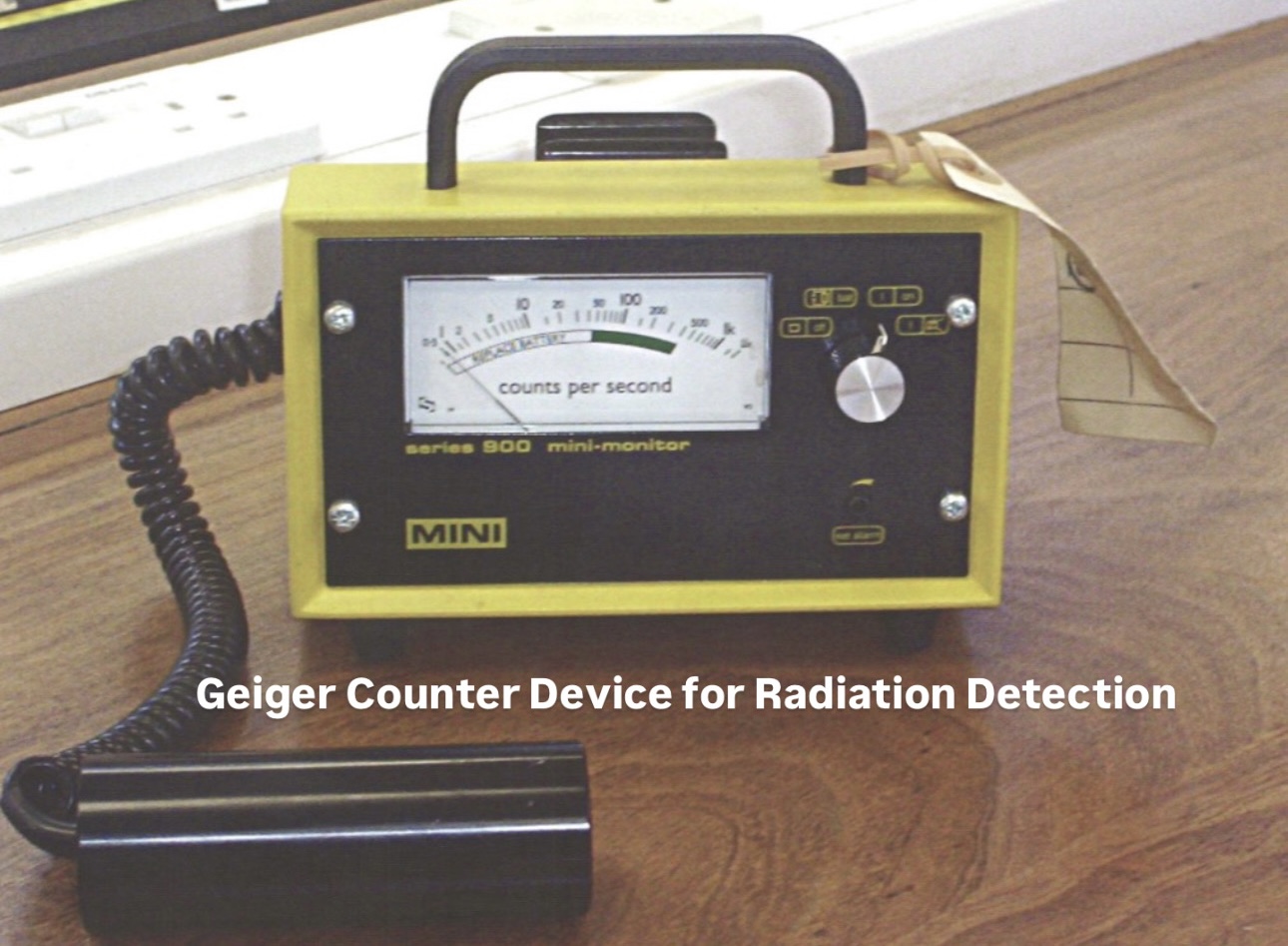
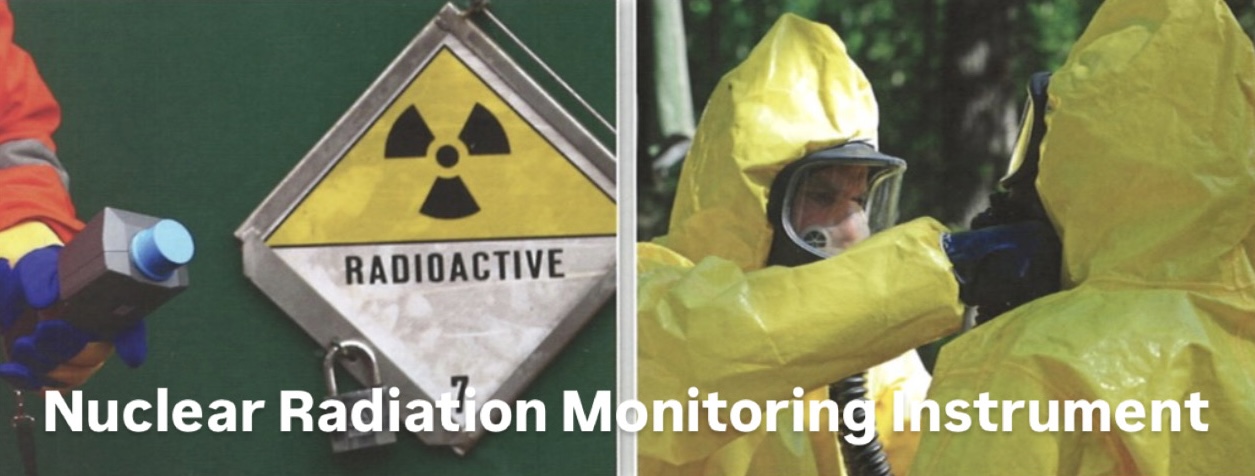
A range of instruments is employed at the scene to detect nuclear and radiological materials, including:
• nanoRAIDER detection device.
• Geiger–Müller (GM) detectors.
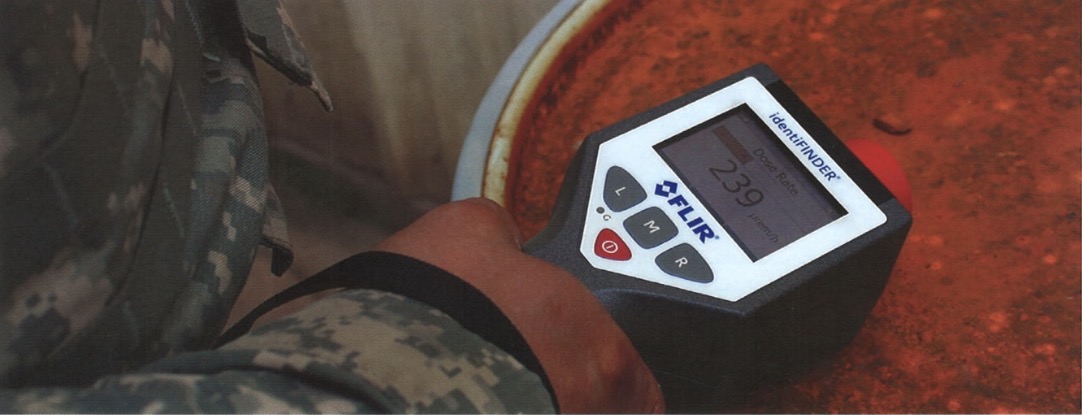
• Dose rate meters for measuring absorbed radiation.
• Falcon 5000® Portable HPGe-based radionuclide identifier.
• ORTEC neutron and fission detection systems for identifying radioactive nuclear sources through neutron monitoring.
Technical Examination
This phase involves a comprehensive survey of the incident site to identify any suspicious traces or materials that may be used in forensic laboratory analyses and comparisons, or that may provide additional intelligence supporting criminal investigation and inquiry.
Appropriate personal protective equipment (PPE) must be worn when examining any crime scene suspected of containing nuclear or radiological materials.
Collection of Samples and Forensic Evidence
The recovery and documentation of materials and traces from a nuclear or radiological incident constitute essential prerequisites for forensic laboratory testing. Evidence that may be collected includes:
1. Nuclear and Radiological Materials
Such materials are recovered after localization using specialized detection instruments. Their positions are documented via GPS, with precise description, photography, scene sketching, and measurement of spatial dimensions.
Any objects associated with the radioactive or nuclear material such as metallic containers may themselves contain valuable forensic traces.
2. Additional Forensic Evidence
This may include:
• Materials and samples retained during decontamination of exposed individuals, given the possibility that perpetrators may be concealed among them.
• Soil and sediment samples that may contain indicators of nuclear or radiological substances.
• Plant samples.
• Water samples from the incident location.
• Samples from animals and microorganisms present at the site.
• Air samples.
• Latent fingerprints, footwear and tire impressions, and DNA swabs.
Evidence Handling, Transport, Preservation, and Storage
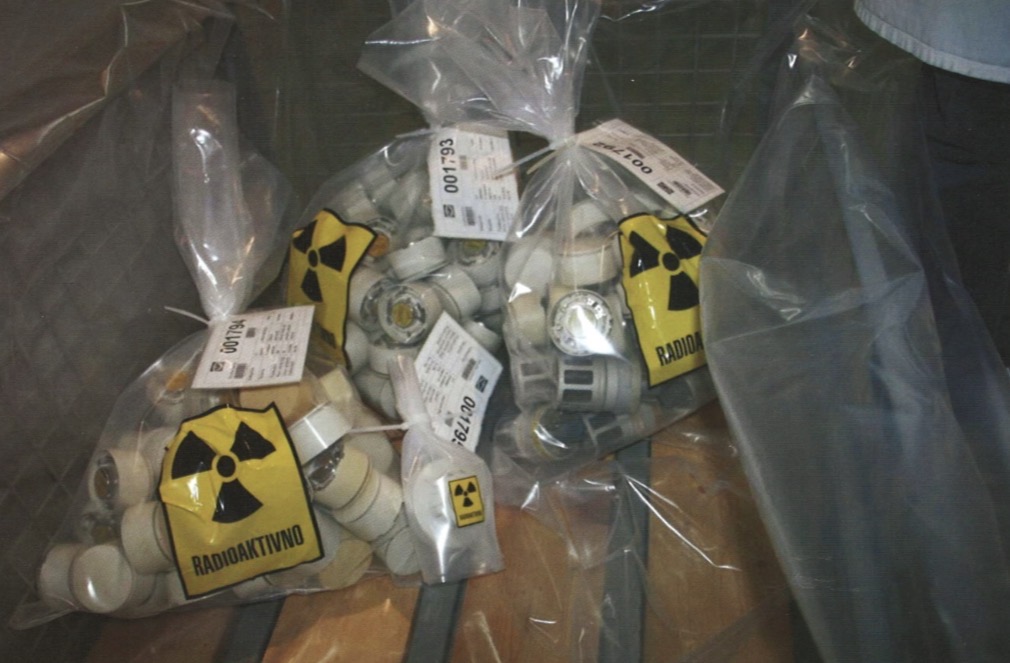
All recovered samples and traces must be placed in appropriate sealed containers, secured with tamper-evident labels and signatures to ensure integrity and prevent contamination or manipulation prior to laboratory examination.
This procedure constitutes the chain of custody, a mandatory requirement that must be completed before conducting forensic laboratory analyses.
Relevant national regulations and competent-authority procedures governing the transport, storage, and preservation of nuclear and radiological materials must be strictly followed.
7. Laboratory Examination of Radioactive and Nuclear Materials
Analytical Instrumentation for Radioactive Materials
Specialized instruments are employed for the identification and characterization of radioactive substances, including:
1. Radiation counting and measurement systems.
2. Imaging, microscopic, spectroscopic, and electron microscopy analyses.
3. Isotope Ratio Mass Spectrometry (IRMS) and trace elemental analysis using mass spectrometry.
4. Accelerator Mass Spectrometry (AMS).
5. Gas Chromatography–Mass Spectrometry (GC–MS).
Source Attribution Examinations (Route Attribution)
Source attribution constitutes a critical requirement in resolving cases involving radioactive materials. Such examinations may assist in determining the place of manufacture or origin, the pathways of transfer, and the individuals who handled the materials.
Relevant laboratory analyses include:
• Radiological isotope fingerprinting.
• Biological examinations, including DNA profiling and analysis of human, animal, and plant materials (e.g., pollen).
• Geological analyses, such as examination of soil and rock fragments.
• Comparison of recovered fingerprints from nuclear or radiological materials with forensic database records.
8. Nuclear Terrorism
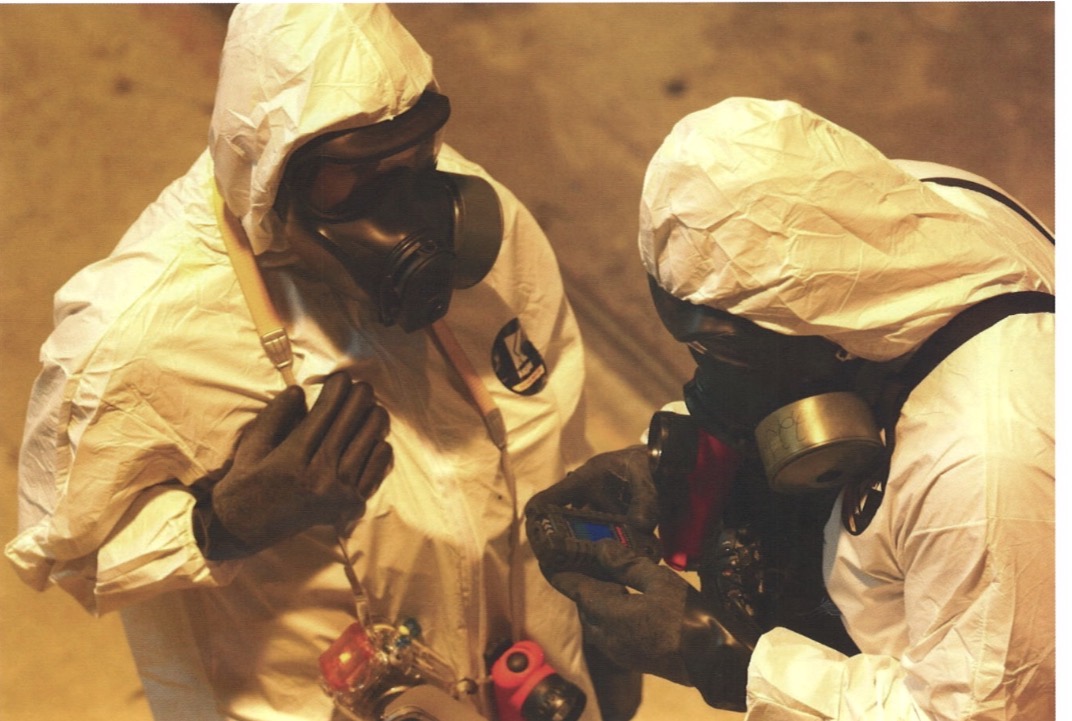
Although the likelihood of a terrorist attack involving nuclear weapons is extremely low, it remains essential to establish preventive measures and strategic plans to mitigate such risks.
Nuclear terrorism refers to the use of nuclear technology by terrorist actors with the intent to harm society, spread fear and panic, and disrupt economic activity within states and communities.
Conceptual scenarios of nuclear terrorism have evolved beyond the detonation of radiological dispersal (“dirty”) bombs to include possibilities such as terrorist attacks on nuclear power plants using hijacked aircraft, the development of nuclear weapons by terrorist groups, or the purchase of a nuclear device a scenario sometimes referred to as a “suitcase bomb.”
9. The Dirty Bomb
Previously termed a Radiological Dispersion Device (RDD), a dirty bomb typically consists of conventional explosives (such as TNT) combined with radioactive materials; in some cases, biological or chemical toxic agents may also be incorporated.
If radioactive substances are present, an explosion may disperse contamination among the public and surrounding environment. The harmful impact increases when the radioactive material is in powdered or pelletized form, facilitating wider dispersion.
Reports indicated that such a device was reportedly placed in Izmaylovsky Park in Moscow in 1995, containing the radioactive isotope cesium-137, although it did not detonate.
It is important to note that a dirty bomb is neither a nuclear weapon nor a nuclear explosive device, but rather a means of dispersing radioactive material through conventional explosive force.
Forensic science plays a crucial role in investigating such incidents by collecting and analyzing evidence to identify perpetrators and reconstruct the crime scene.
10. Nuclear Materials and Political Assassination
Nuclear substances may be used in homicide cases as well as in political assassinations, for example through covert administration in food or drink, since many radioactive materials are odorless and tasteless.
Two prominent cases illustrate the major contribution of forensic science to the analysis and interpretation of radiological poisoning:
Death of Palestinian President Yasser Arafat
Former Palestinian President Yasser Arafat died on 11 November 2004 at Percy Military Hospital in France, following approximately one month of symptoms including nausea, vomiting, diarrhea, and abdominal pain, which progressed to multi-organ failure and death.
Physicians were initially unable to determine the cause of death.
In 2011, a Swiss forensic investigative team detected abnormally elevated levels of polonium-210 in the late president’s personal belongings that had been present in the hospital prior to his death.
In 2012, eight years after the death, Arafat’s grave was exhumed and biological samples were collected, revealing elevated concentrations of polonium-210 in rib, pelvic, and sternal bone samples.
The Swiss forensic report concluded that death was consistent with poisoning by radioactive polonium-210.
The investigators also interpreted the absence of myelosuppression and hair loss in Arafat compared with the polonium-210 poisoning case of Alexander Litvinenko as potentially related to differences in timing and mode of administration of the radioactive substance (Froidevaux et al., 2016).
Assassination of Russian Alexander Litvinenko
Russian former agent Alexander Litvinenko was assassinated in London on 23 November 2006 by poisoning with the radioactive substance polonium-210 (Po-210). Polonium-210 is extremely toxic if ingested orally but poses minimal risk from external radiation exposure, since the alpha particles it emits have very low penetration power.
Investigators believe that on the morning of 1 November 2006, the victim met with two Russian individuals, one of whom allegedly introduced polonium-210 into Litvinenko’s tea. Upon ingestion, the alpha radiation damaged internal organs, causing cell death and organ failure, ultimately resulting in death.
Polonium-210 is exceptionally rare, with global production estimated at only about 100 grams per year, mostly in Russia and former Soviet Union countries. Investigators also detected traces of the substance on the airplane used by the two suspects traveling from London to Moscow (Johll, 2013).
11. Radiological Material Incidents
Radiological material incidents include the theft, illegal possession, smuggling, sale, or misuse of radioactive substances, representing a significant societal risk. Such materials can cause severe health effects to handlers or may be used in the preparation of dirty bombs or even in the production of drugs.
Forensic science contributes to investigations of these incidents in multiple ways, including:
• Collection of fingerprints and DNA samples.
• Identification and characterization of chemical and radioactive substances.
• Determination of the source of the material in collaboration with domestic and international partners.
The following sections provide an overview of selected international cases involving radiological materials.
Theft of Radioactive and Nuclear Materials
Radioactive Material Theft in Egypt
On Thursday, 19 January 2012, Sky News reported the theft of radioactive materials from a nuclear facility in Egypt. The materials were stolen from a cabinet at the under-construction El Dabaa Nuclear Power Plant in northwestern Egypt. The stolen substances were low-level radioactive materials, securely stored in sealed containers, and posed minimal risk unless the containers were opened or the contents ingested. These materials were intended solely for instrument calibration and were not used for nuclear material production. The Egyptian Nuclear Energy Authority was tasked with tracking and recovering the stolen materials.
Radioactive Material Theft in Iraq
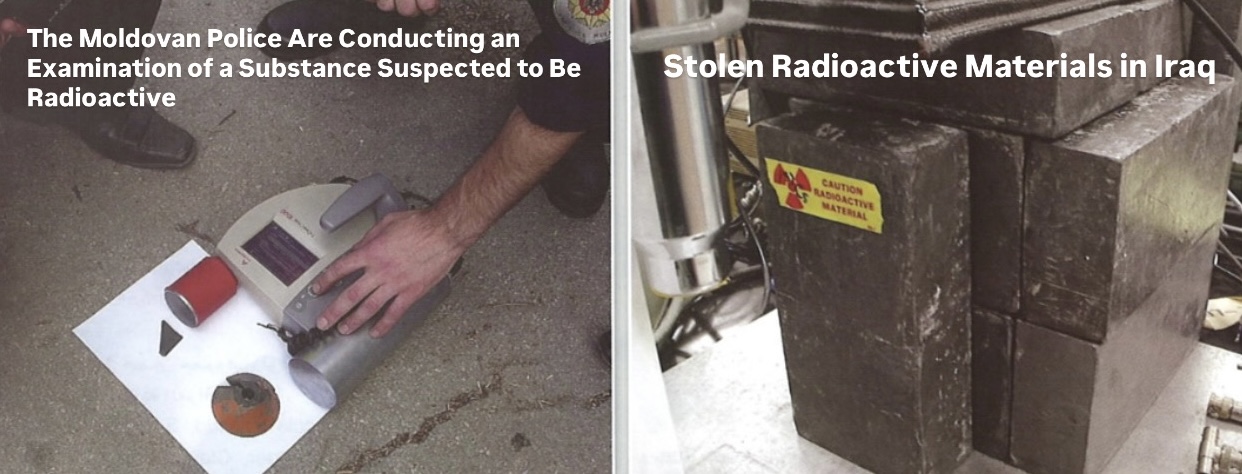
On Thursday, 18 February 2016, reports indicated the theft of radioactive materials stored in a laptop-sized container that went missing in November from a storage facility near Basra, southern Iraq, operated by the American oilfield services company Weatherford. The stolen material was highly radioactive iridium-192, characterized by intense radioactivity and significant potential hazards if mishandled.
Nuclear Material Theft in Mexico
On 16 April 2015, Mexican authorities declared a state of alert in five states following the theft of iridium-192 in Cárdenas, Tabasco, southern Mexico. The Ministry of the Interior emphasized that exposure to such materials for hours or days could be lethal. The stolen iridium-192 was taken from a company vehicle belonging to “Grantia Radiográfica e Ingeniería”, which uses the material for industrial purposes. Reports indicate that thefts of radioactive materials have occurred repeatedly in Mexico in recent years, often because thieves unknowingly seize these materials while attempting to steal other valuables.
Additionally, on 5 December 2013, cobalt-60, a radioactive material used in medical devices for radiotherapy in cancer treatment, was stolen from a truck transporting medical equipment in Tijuana, Mexico.
Nuclear Material Theft in Spain
On 31 March 2016, Spanish media reported the theft of a device containing two radioactive sources: cesium-137 and americium-241. The device was stolen from a parked vehicle on “Calle de las Ciencias in Seville”. Authorities described the device as orange, measuring 80 × 50 × 50 cm, equipped with a double security lock, a glass display panel with a digital keypad, and a metal tube containing the radioactive materials.
Nuclear Materials and Drug Manufacturing
During a drug enforcement raid in the United States, a material suspected of being nuclear was discovered in a drug production facility. Upon analysis at the Livermore Forensic Science Center, it was determined that the substance emitted alpha radiation, and further testing identified it as thorium nitrate (Th-232).
This material was being used according to an old German method for drug production, in which the thorium nitrate is heated in a furnace to produce thorium oxide. This case demonstrates that radioactive materials can be encountered by law enforcement during routine drug enforcement operations, requiring careful laboratory testing. It emphasizes the necessity for drug enforcement personnel to be aware of the potential presence of radioactive substances at clandestine drug production sites and to implement appropriate safety measures.
Afghan Nuclear Sample Sale Scandal
An attempt to sell radioactive materials in Afghanistan was uncovered. These materials were allegedly left in the country following the Soviet withdrawal in 1989. One of the items recovered was analyzed and found not to contain radioactive substances after performing non-destructive testing.
One of the materials was a brown cylindrical container weighing 3.93 kg, labeled “150 235-U”, indicating uranium-235. While the labels and markings suggested the presence of nuclear material, the substance was counterfeit and non-nuclear, a determination that can only be confirmed by qualified experts.
Smuggling of Radioactive Materials into Bulgaria
Some individuals may attempt to smuggle radioactive materials across international borders. On 29 May 1999, shortly after midnight, a Turkish national traveling from Turkey was intercepted in Bulgaria. He carried no luggage, raising suspicion, and a search of his vehicle revealed a lead container holding a glass vial with a black substance.
Laboratory testing confirmed that the material was highly enriched uranium (HEU). The sample was later transported to the United States for further verification. This incident highlights the critical need for police and customs authorities to monitor and inspect border crossings for illicit radioactive material trafficking.
Loss of Nuclear Materials in the United Kingdom
According to The Guardian, there have been over 30 incidents of lost radioactive materials in the UK over the past ten years, involving workplaces, hospitals, and universities. For example:
• 13 kg of uranium went missing in 2008.
• Cesium-137 was lost from the Royal Hospital, where it had been used for cancer treatment.
These incidents underscore the importance of strict tracking, control, and forensic investigation of nuclear and radioactive materials to prevent accidental loss or potential misuse.
Recommendations
1. Enhance international monitoring and control of criminal nuclear materials.
2. Increase awareness of radiation risks among law enforcement, security personnel, and the general public.
3. Strengthen cooperation, partnerships, and coordination between security agencies and organizations responsible for nuclear and radiological energy and safety.
References
• “Sheikh Saif bin Zayed Attends the Opening Ceremony of the Regional Secretariat for Centers of Excellence for Risk Mitigation,” Wednesday, 18 June 2014, Media Center, Latest News, Abu Dhabi Police General Headquarters: https://www.adpolice.gov.ae/ar/media-centre/news/9060035.aspx
• Sky News Arabia
• Iraqi Officials: “Highly Dangerous Radioactive Materials Stolen, Could Be Acquired by ISIS for Nuclear Bomb Construction,” 2016, https://arabic.rt.com/news
• Hills, S. (2013). Canister of potentially lethal radioactive material found in shopping centre a month after it was stolen from courier’s van. Available: http://www.dailymail.co.uk/news/article-2293682/Canister-potentially-lethal-radioactive-material-shopping-centre-month-stolen-couriers-van.html. Last accessed 16/5/2016.
• Baha’ al-Din Hassan Marouf, Prevention of Nuclear Radiation, Publications of the Iraqi Atomic Energy Organization, 1989.
• Froidevaux, P., Bochud, F., Baechler, S., Castella, V., Augsburger, M., Bailat, C., Michaud, K., Straub, M., Pecchia, M., Jenk, T. M., Uldin, T., Mangin, P. (2016). “210Po poisoning as possible cause of death: forensic investigations and toxicological analysis of the remains of Yasser Arafat.” Forensic Science International, 259, 1–9.
• Saeed Ali Saeed Al-Otaibi, 2016. Criminal Protection in the Peaceful Uses of Nuclear Energy under UAE Legislation, Dar Hafiz, 1st Edition, Dubai.
• Mohamed Amin Youssef, 2016. State Responsibility for Environmental, Nuclear, and Radiological Contamination, National Center for Legal Publications, Cairo.
• Osterburg, J. W., & Ward, R. H. (2010). Criminal Investigation: A Method of Reconstructing the Past, 6th Edition, LexisNexis, NJ, p. 530.
• Johll, M. E. (2013). Investigating Chemistry: Introductory Chemistry from a Forensic Science Perspective, 3rd Edition, Freeman and Company, NY, pp. 365–370.
• CDC – Radiation Emergency: Acute Radiation Syndrome
• NRC – Measuring Radiation
• Federal Authority for Nuclear Regulation (FANR), UAE
• Emirates Nuclear Energy Corporation (ENEC)
• Forensics in Nuclear Security Programme, Netherlands Forensic Institute (NFI): https://www.forensicinstitute.nl
• Al-Wasat News
• “Radioactive Materials Lost in More than 30 Incidents over Past Decade,” The Guardian, http://www.theguardian.com/environment/2013/may/05/radioactive-materials-lost-30-incidents
• UAE Federal Law No. 6 of 2009 on the Peaceful Uses of Nuclear Energy.
• Krock, L., & Deusser, R. (2003). Chronology of Events. Available: http://www.pbs.org/wgbh/nova/dirtybomb/chrono.html. Last accessed 25/5/2016.
• Bolz, F., Dudonis, K. J., & Schulz, D. P. (2005). “Threat of Weapons of Mass Destruction.” In The Counterterrorism Handbook: Tactics, Procedures, and Techniques, 3rd Edition, Boca Raton: CRC, pp. 152–154.
• ORTEC Neutron Detection Systems Overview
• International Atomic Energy Agency (IAEA) Nuclear Forensics Support, Technical Guidance, Reference Manual, IAEA Nuclear Security Series No. 2.
1. https://www.adpolice.gov.ae/ar/media-centre/news/9060035.aspx
2. http://www.skynewsarabia.com
3. https://arabic.rt.com/news
4. http://www.dailymail.co.uk/news/article-2293682/Canister-potentially-lethal-radioactive-material-shopping-centre-month-stolen-couriers-van.html
5. http://emergency.cdc.gov/radiation/ars.asp
6. http://www.nrc.gov/about-nrc/radiation/health-effects/measuring-radiation.html
7. https://www.fanr.gov.ae/Ar/Pages/default.aspx
8. http://www.enec.gov.ae
9. https://www.forensicinstitute.nl
10. http://www.alwasatnews.com/news/982426.html
11. http://www.theguardian.com/environment/2013/may/05/radioactive-materials-lost-30-incidents
12. http://www.pbs.org/wgbh/nova/dirtybomb/chrono.html
13. http://www.ortec-online.com/Products-Solutions/Neutron-Detection-Systems-Overview.aspx